
Feeling Lucky? Why You’re More Likely to Be Struck by Lightning Than Win Forced Arbitration in Virginia
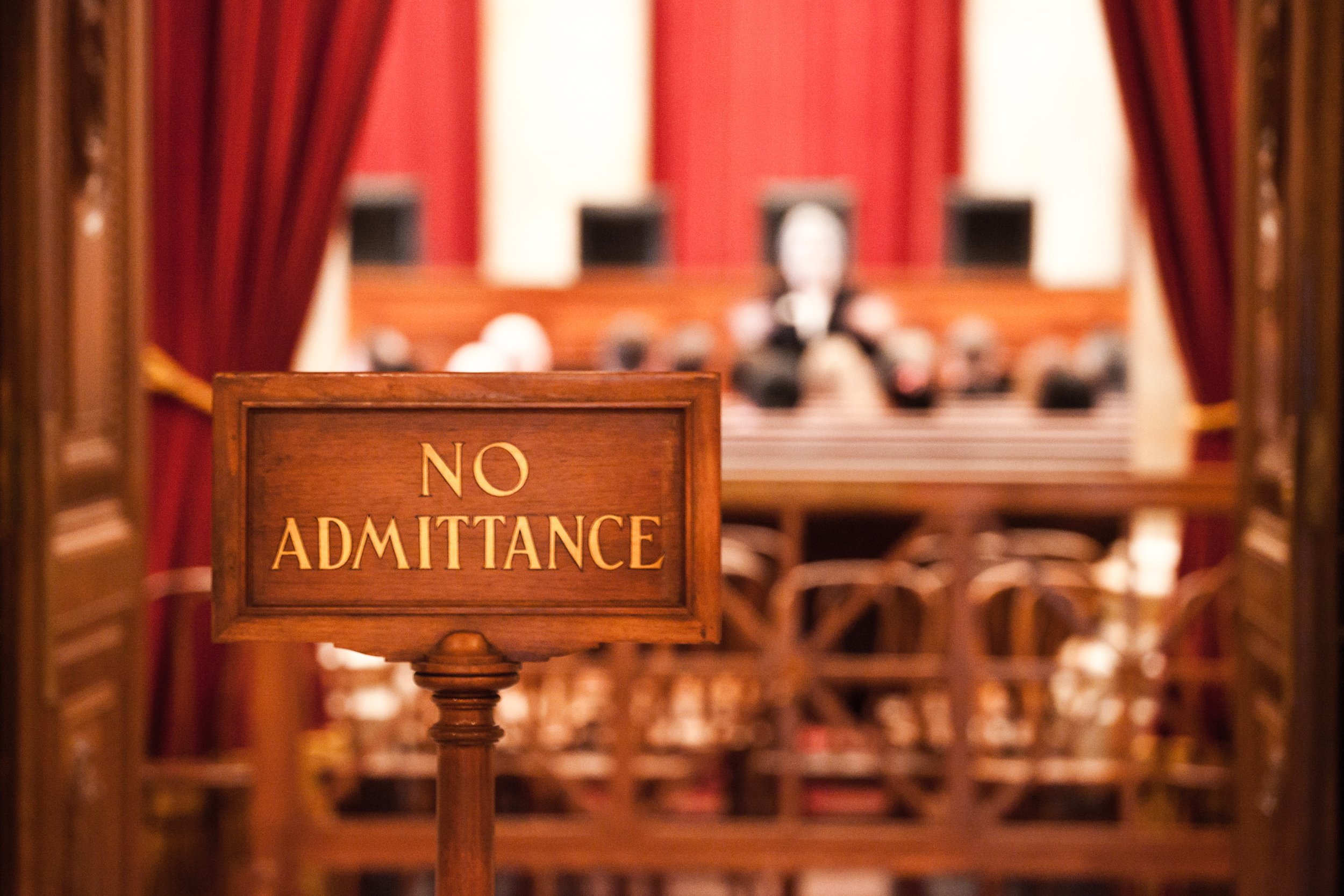
No Admittance Sign at a Courtroom
We’ve discussed the abhorrently low success rates for plaintiffs in forced arbitration, but the numbers are even more appalling when you look at the two areas no American can escape: employment and consumer purchases.
According to studies by the American Association for Justice, consumer filings against corporations are at an all-time high, jumping more than 450% since 2018. By 2022, consumers prevailed in forced arbitration only 0.7% of the time. And I use the word “prevail” lightly; that 0.7% represents any positive outcome at all, not an indication of actual compensation or being made whole. It’s also less likely than lightning striking you this year.
The Pandemic Pivot and Virginia’s New Housing Problem
This isn’t just a corporate problem; it’s a housing problem. While the world was reeling from the pandemic, the legal landscape in the Commonwealth was being quietly reshaped. Arbitration was advanced by delegates working in tandem with industry lobby groups to ensure consumers would be unable to prevail legally against corporate donors.
I’m looking directly at you, Home Builders Association of Virginia (HBAV).
Well, you and Senator Travis Hackworth (quite a name) out of Tazewell. This lobby was able to encourage a reduction in consumer protections in the Commonwealth to a jaw-dropping low while simultaneously making unregulated work “unregulatable.” Thanks to the 2022 Session and SB 121 signed into law by Youngkin, the threshold for unlicensed work is now 5 times the previous limits.
SB 121 created a perverse incentive for contractors to remain unlicensed and unregulated while operating in Virginia. It strips away consumer protections and makes legal intervention nearly impossible. Sure, it makes construction “cheaper” for builders, but that’s because they can no longer be held responsible for defects or be sued when they fail to complete a job.
HBAV helped to remove that standard of protection which prevented consumers from being swindled, held the state accountable for regulatory minimums, and limited losses from fraud.
The Business of Losing
Imagine discovering a defect in your new Virginia home, taking the builder to arbitration, and walking out not just with a damaged house and the cost of repairs, but with a bill for the builder’s legal fees. In Virginia, where “loser pays” or “fee-shifting” clauses are standard in builder contracts, this isn’t just a possibility, it’s the business model and another predatory advantage of arbitration clauses.
Virginia’s laws weren’t “reformed” during the pandemic to help lessen actual building costs or to make housing more affordable. The “reforms”were industry driven and predatory. With all accountability removed, why would a builder care if they miss a deadline or violate building code?
Between the impotent regulations and forced arbitrations, it’s more likely they will see you struck by lightning then end up in court.
The Numbers Recap:
The Repeat Player Effect:
Builders who use the same arbitration firms win more often because they provide the arbitrator’s steady paycheck. We experienced this personally in mediation, where the former Judge hired as the mediator admitted to having worked with the builder multiple times prior to our scheduled date. With hourly billing averaging between $375–$575/hour, it’s a lucrative side hustle for “neutral” third parties.
The 0.5% Recovery:
If your house has $100,000 in damages, national averages suggest you’ll walk away with just $500—after paying $10,000+ in legal and arbitration fees.